June 2023 – Guinea-Bissau
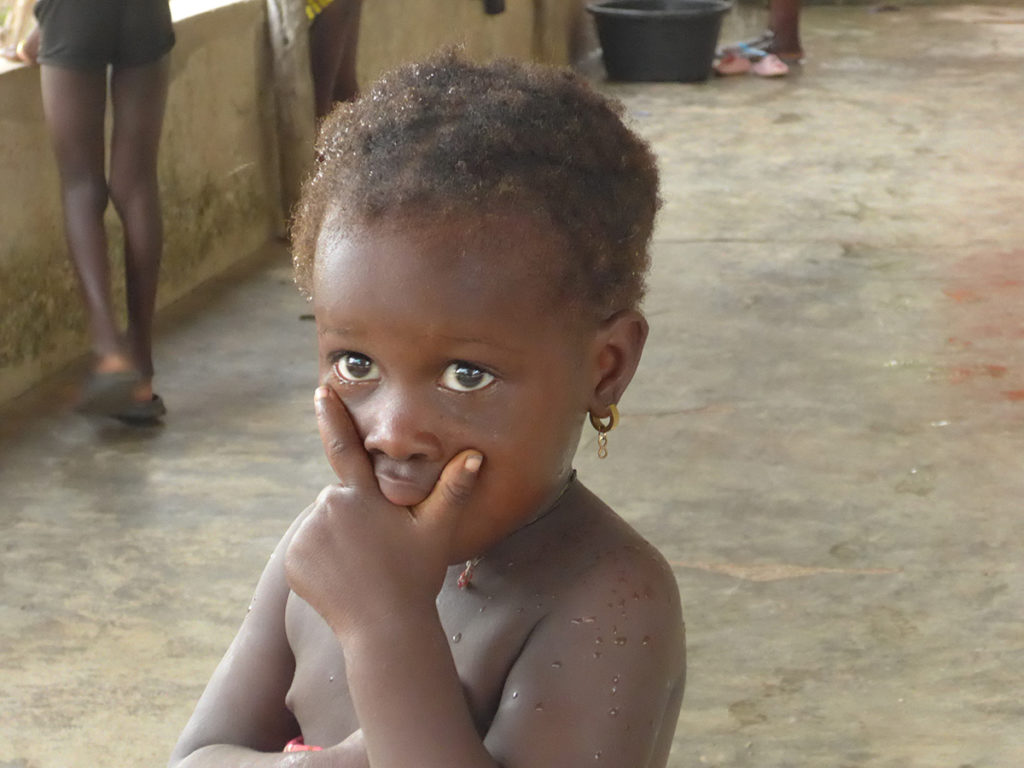
For the first time, I have ventured into a continent that was largely unknown to me. The luxury of climbing Kilimanjaro in Tanzania, reaching Lenana Point in Kenya, or going on a safari in Botswana and South Africa is all in the past; now I am discovering the true poverty of a forgotten continent. Specifically, Guinea-Bissau.
Guinea-Bissau has nothing to do with what we have been doing in Nepal. It is a country that is still very underdeveloped and has many more shortcomings. The heat is constant for them, which makes everything feel more burdensome.
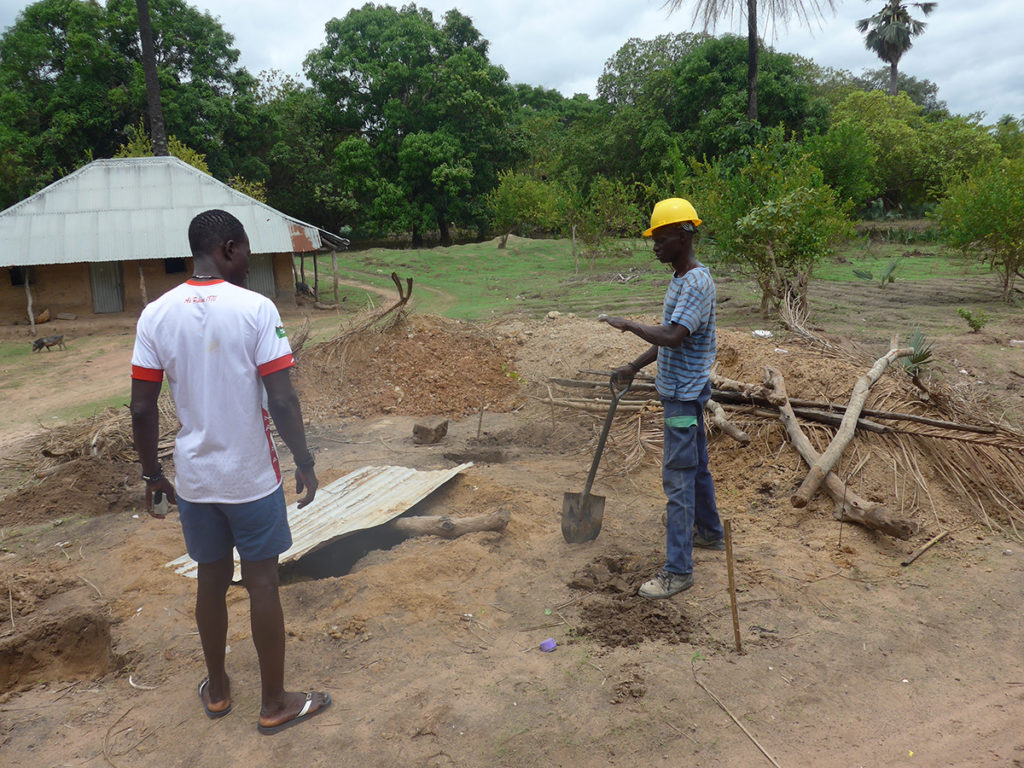
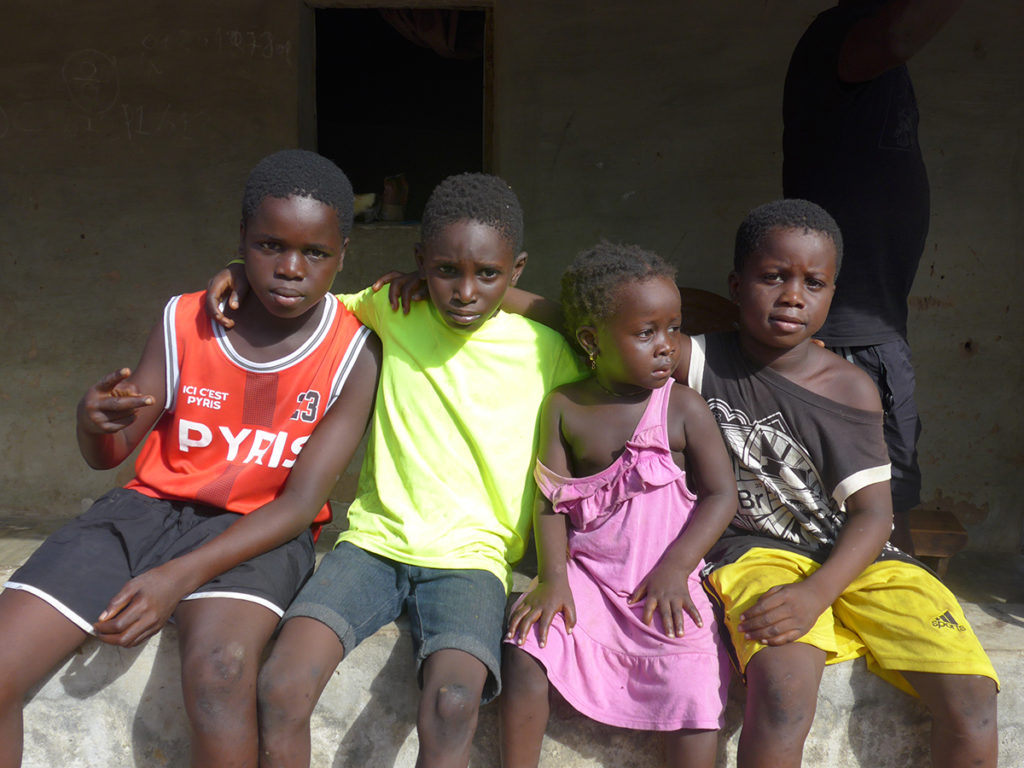
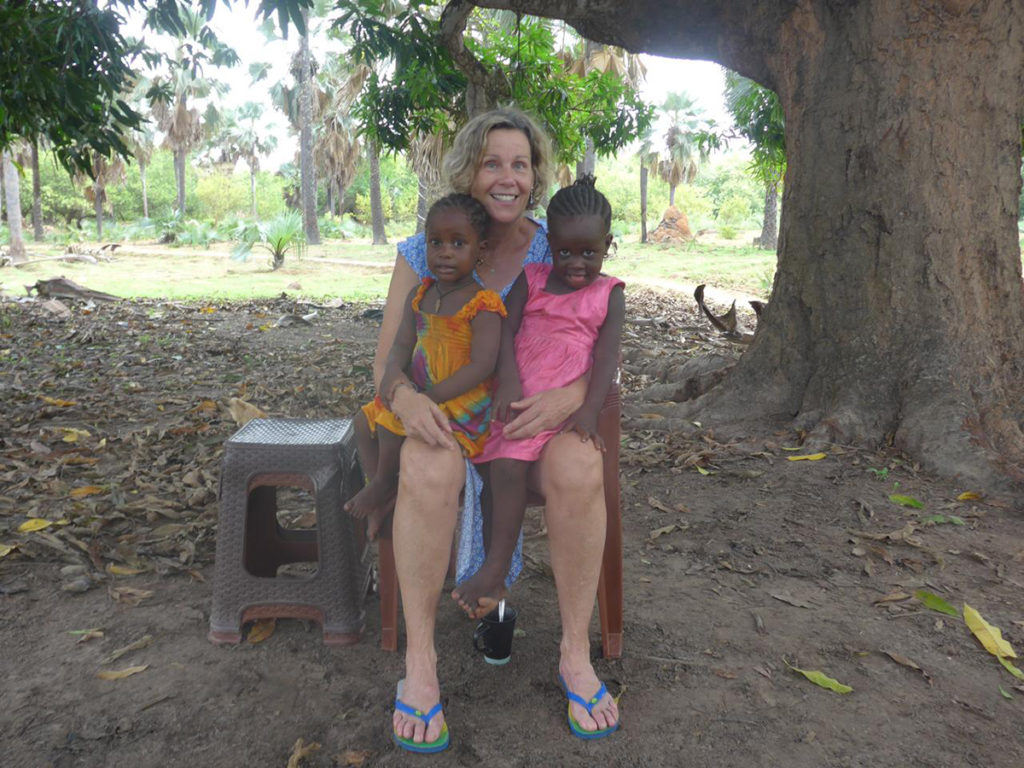
We have ventured into Bajope-Canchungo, a small village lost among bushes and papaya trees. Three hours from Bissau, the capital, by jeep, traveling along poorly paved roads muddied by the monsoons where driving is difficult. The nearest town is 10 kilometers away. Canchungo, the last reference point of civilization.
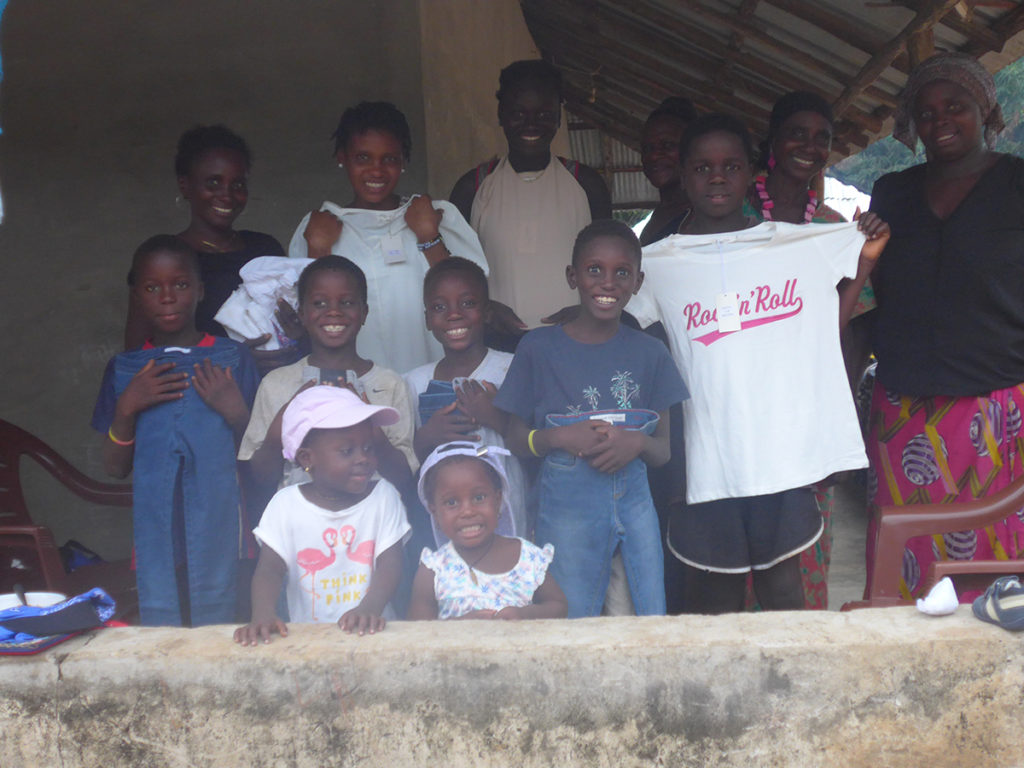
The village is formed by one large family where everyone looks after each other; everyone is everyone else’s child, cousin, father, mother, uncle, or aunt—eventually, you lose track of who belongs to whom.
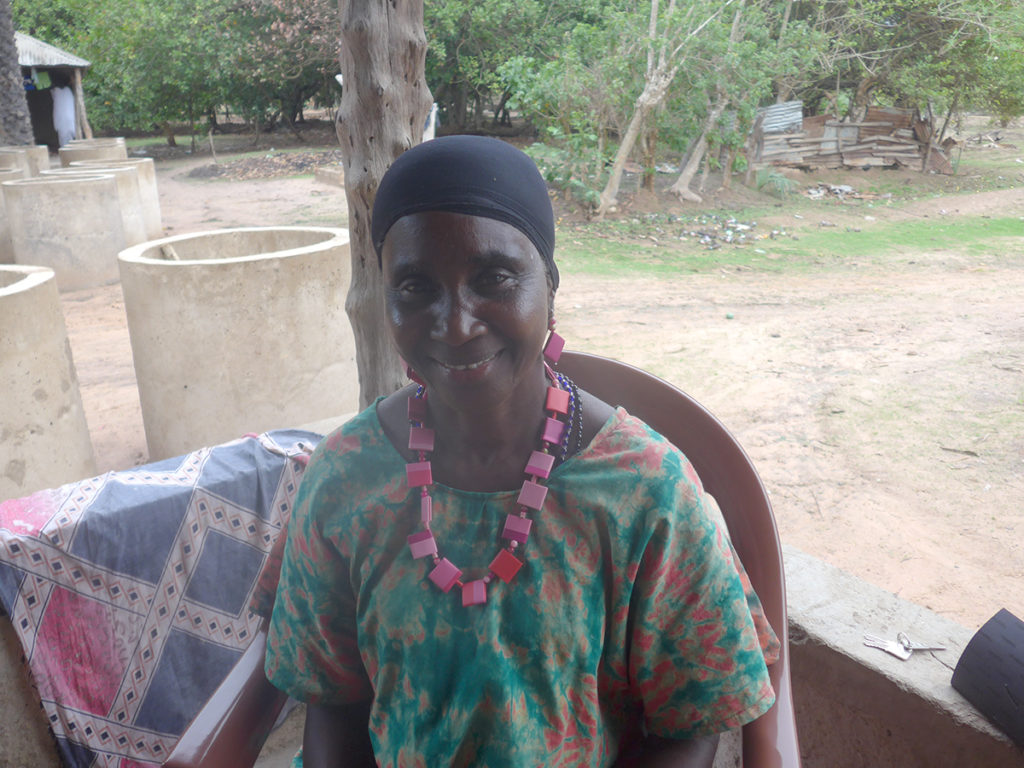
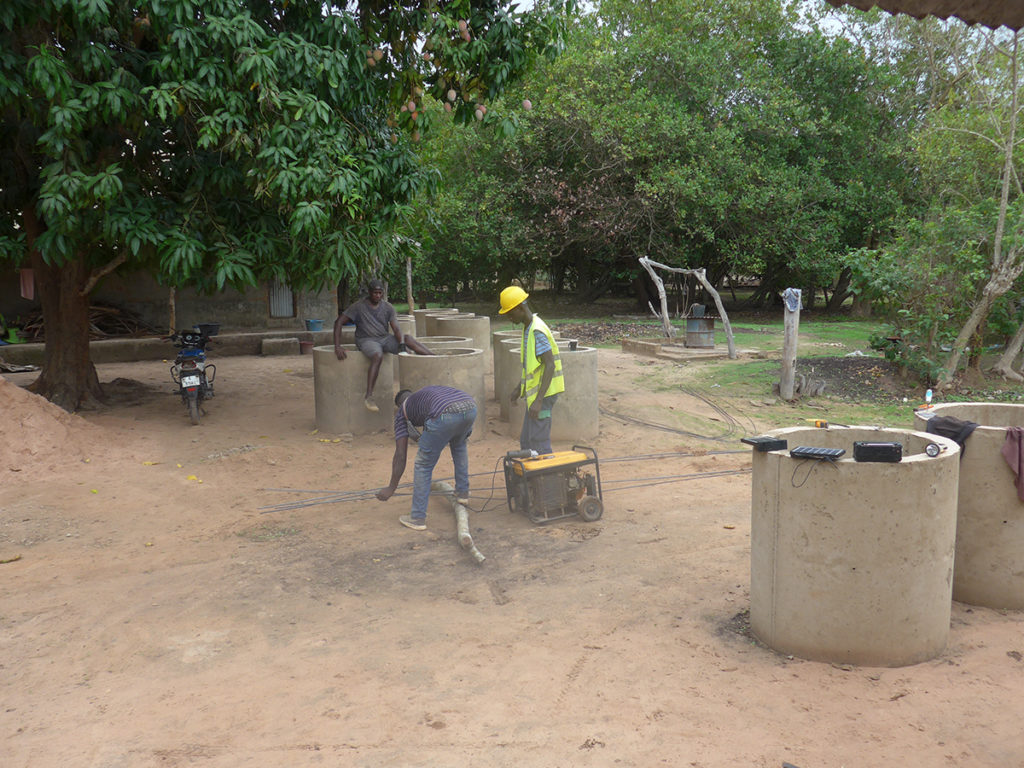
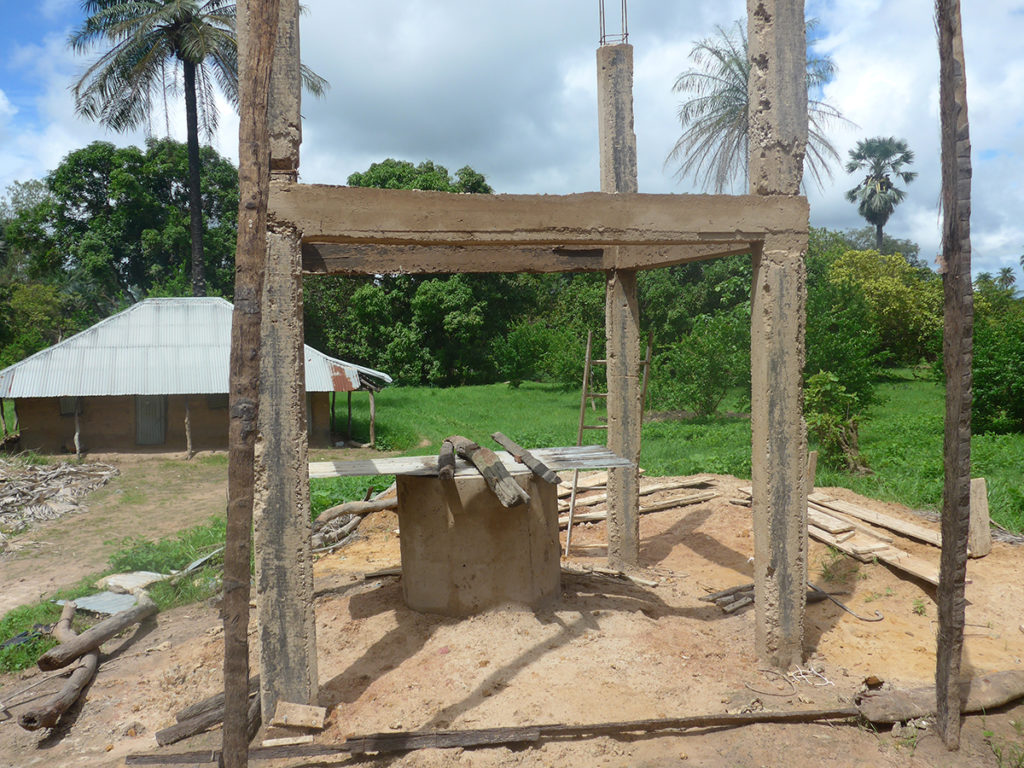
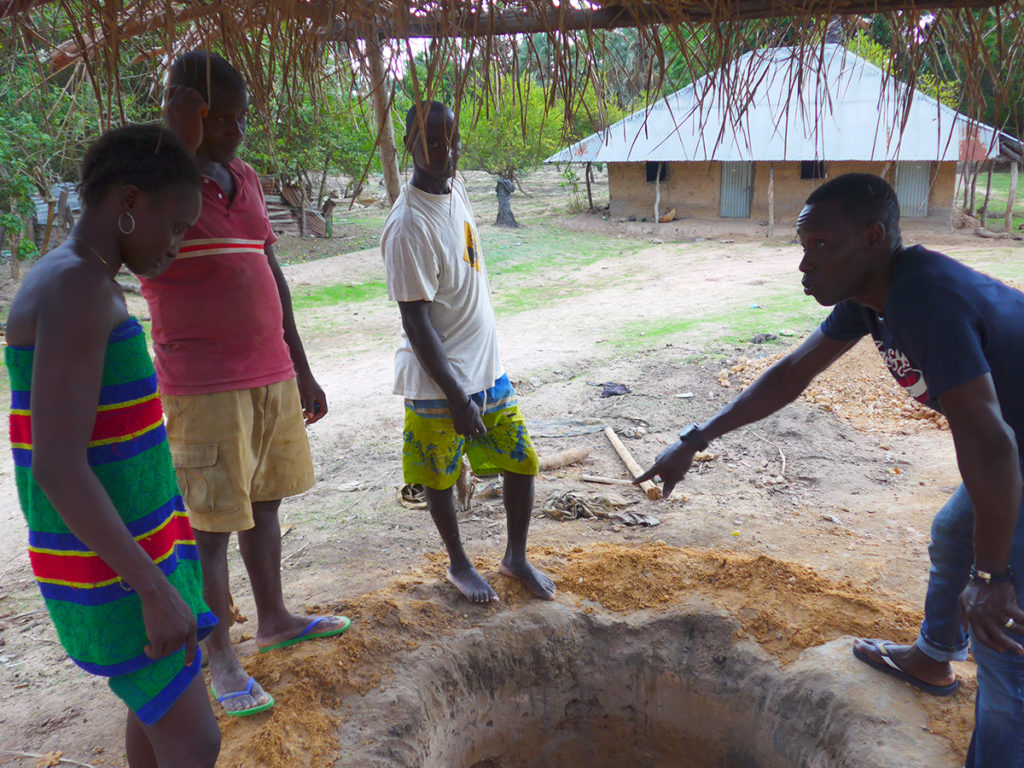
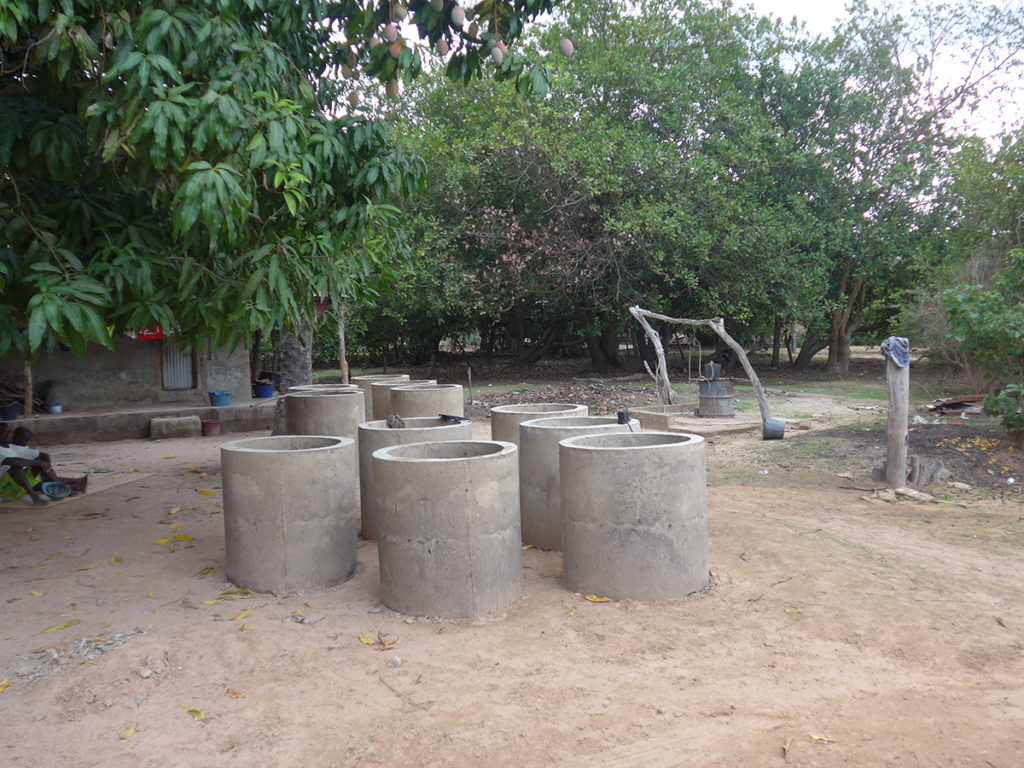
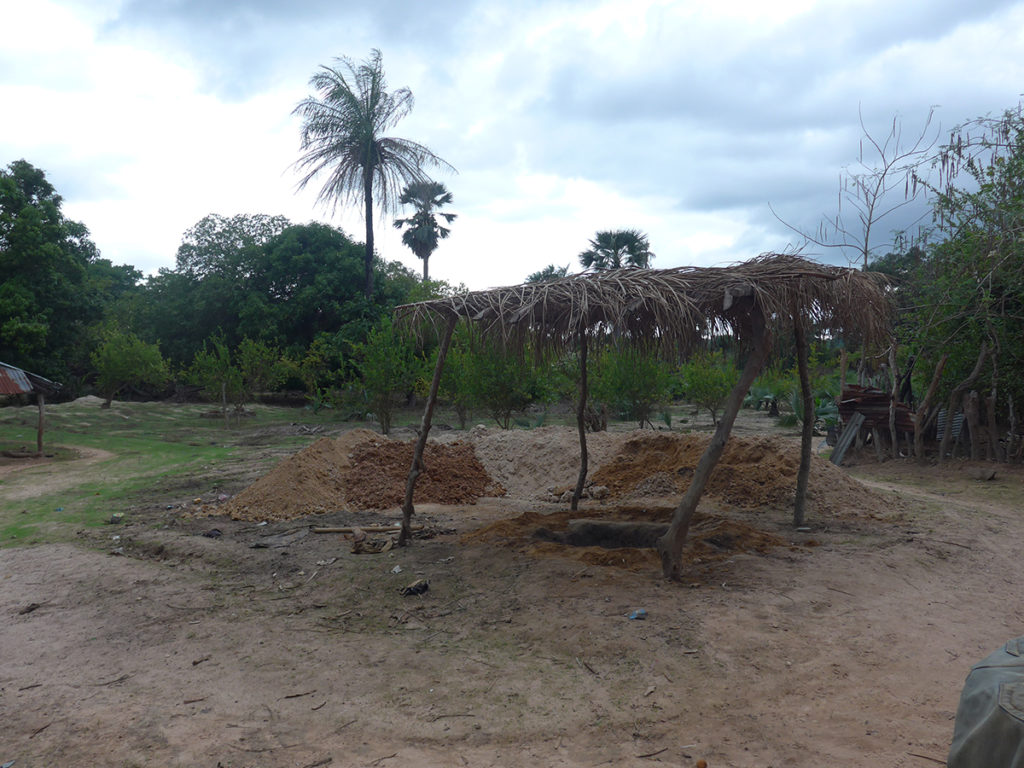
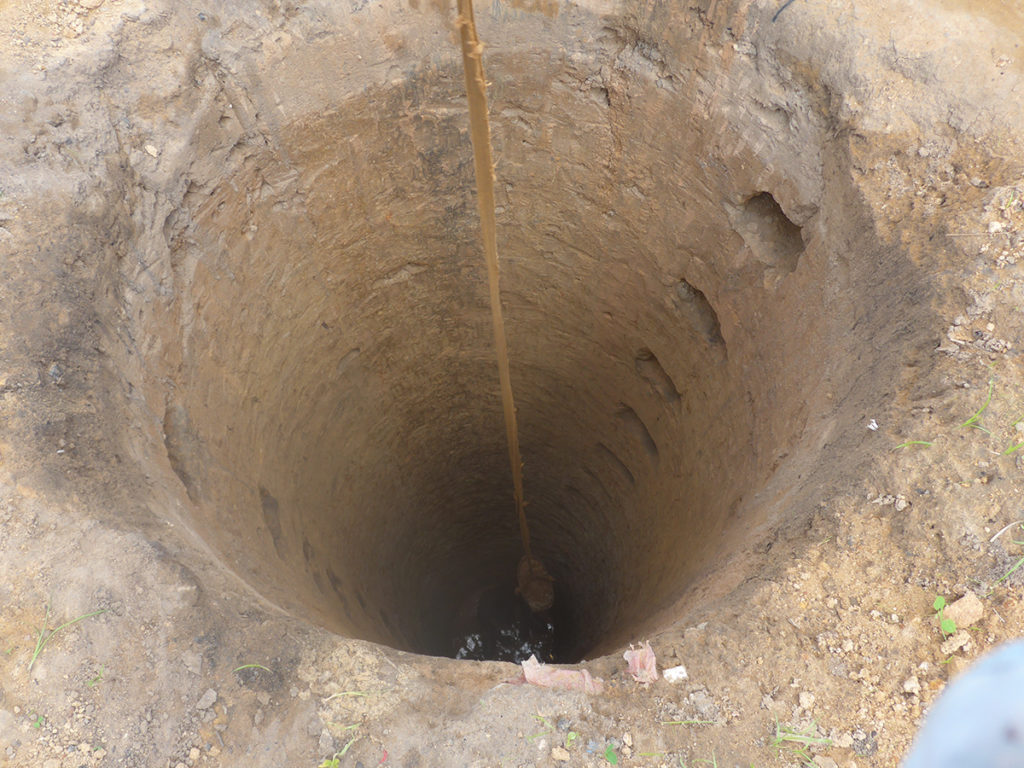
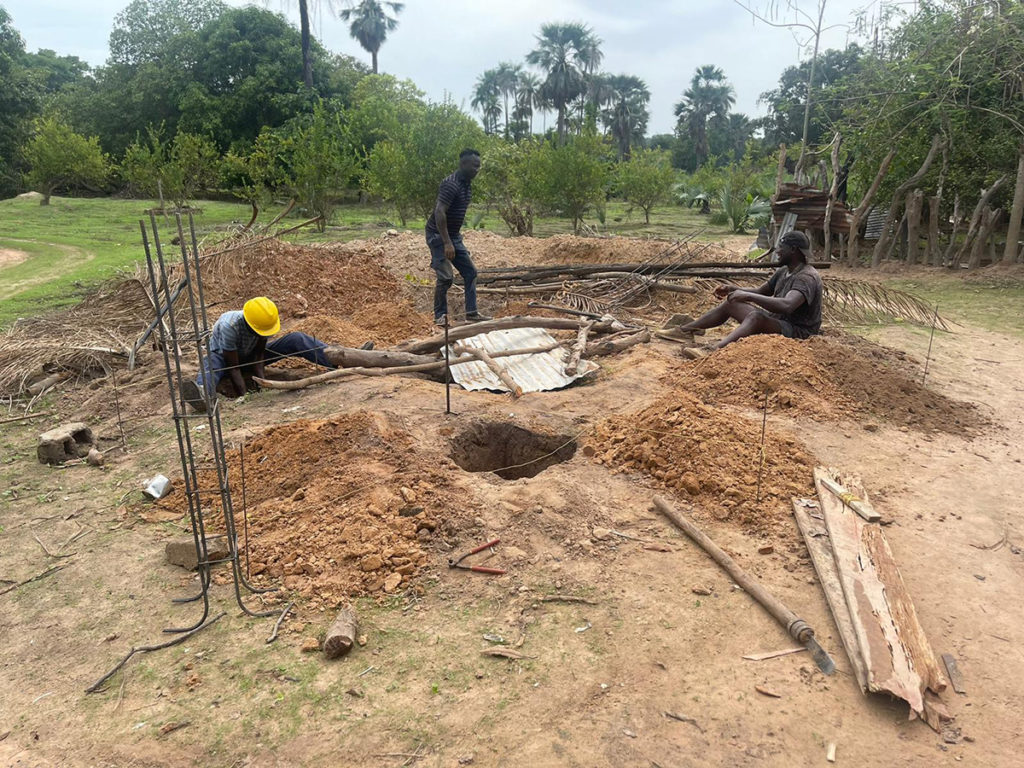
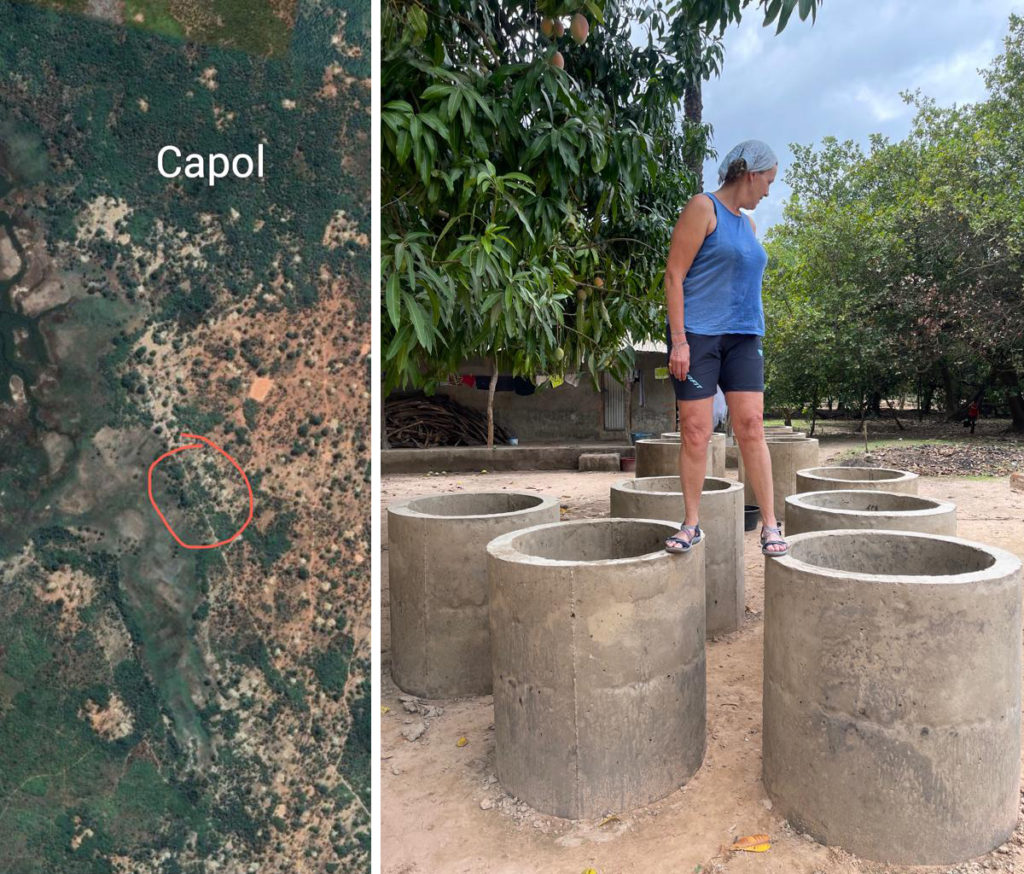
The water well is under construction. It is 14 meters deep, and they had already made the concrete pipes that go inside the well, stacked one on top of the other. That was the hardest part of the job, and it was already done. When we left, we organized everything with Mariam and her daughter Adelina, who seemed clear about wanting a better quality of life, so that they could finish it.
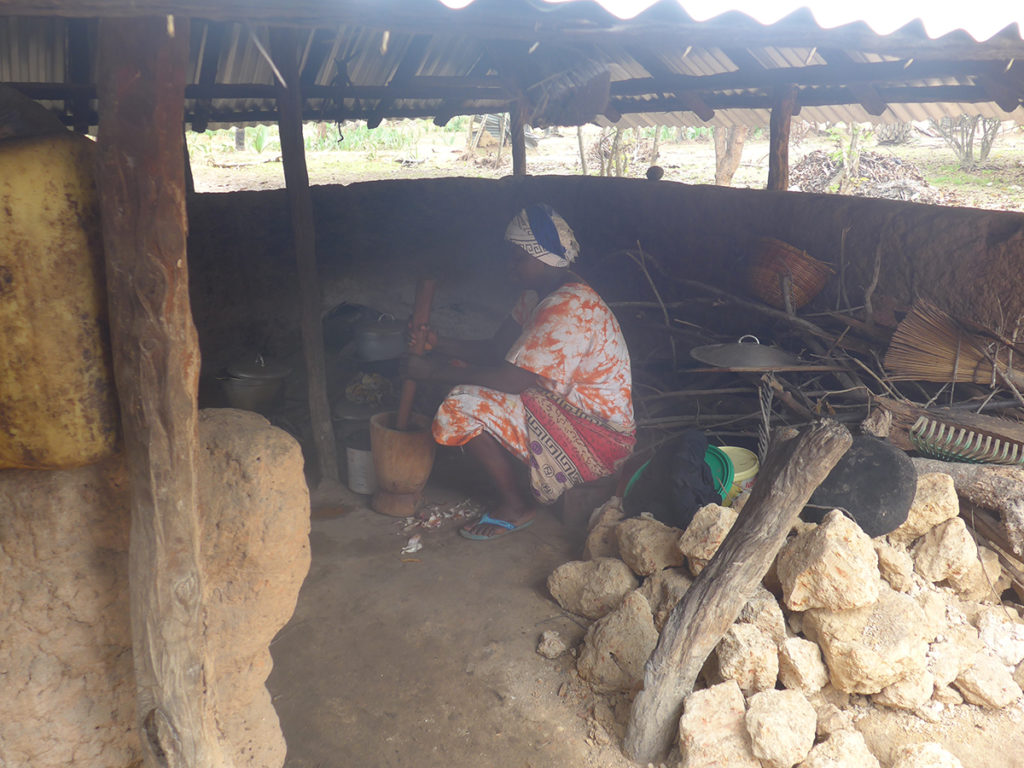
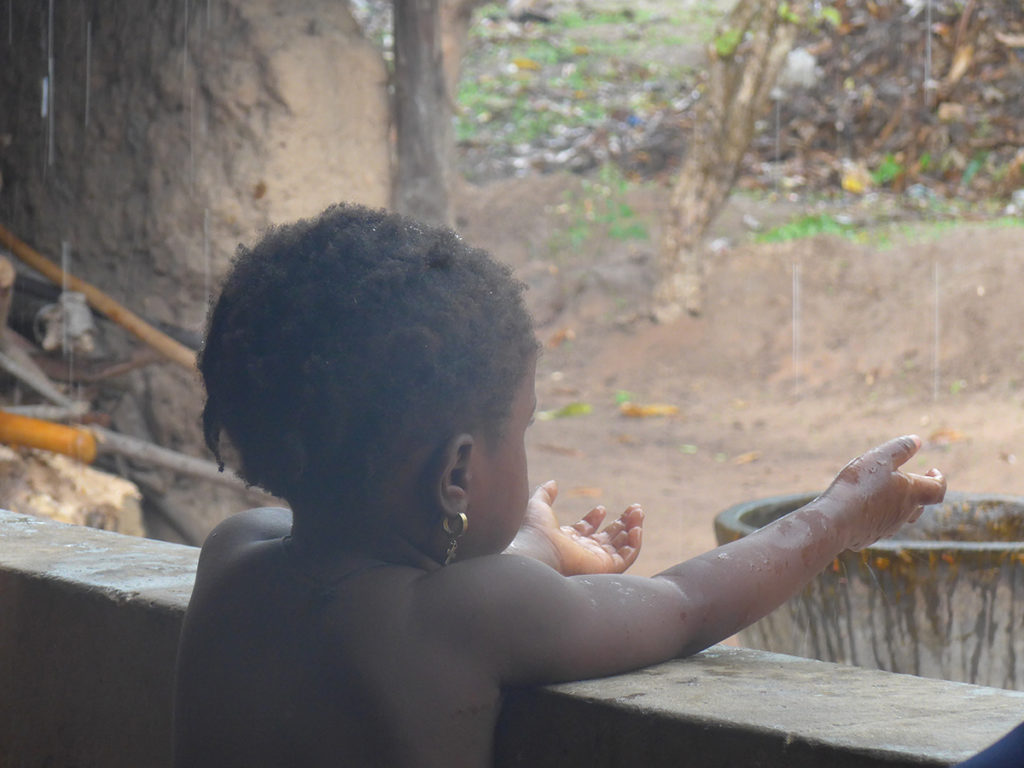
There is no running water, no taps, no electricity, and no sockets. In other words: no showers and no refrigerators. Which means: no cold drinks. That is what I missed the most. It was the hardest part… all day in the heat and sweating, and in the evening… not even a cold beer or a cold shower… You wash with buckets of water which, because it is lukewarm, never actually cools the body down. I was on the verge of giving up…
We went to visit the school. No comment. Forsaken by God.
July 2023 – Dakar – Bissau
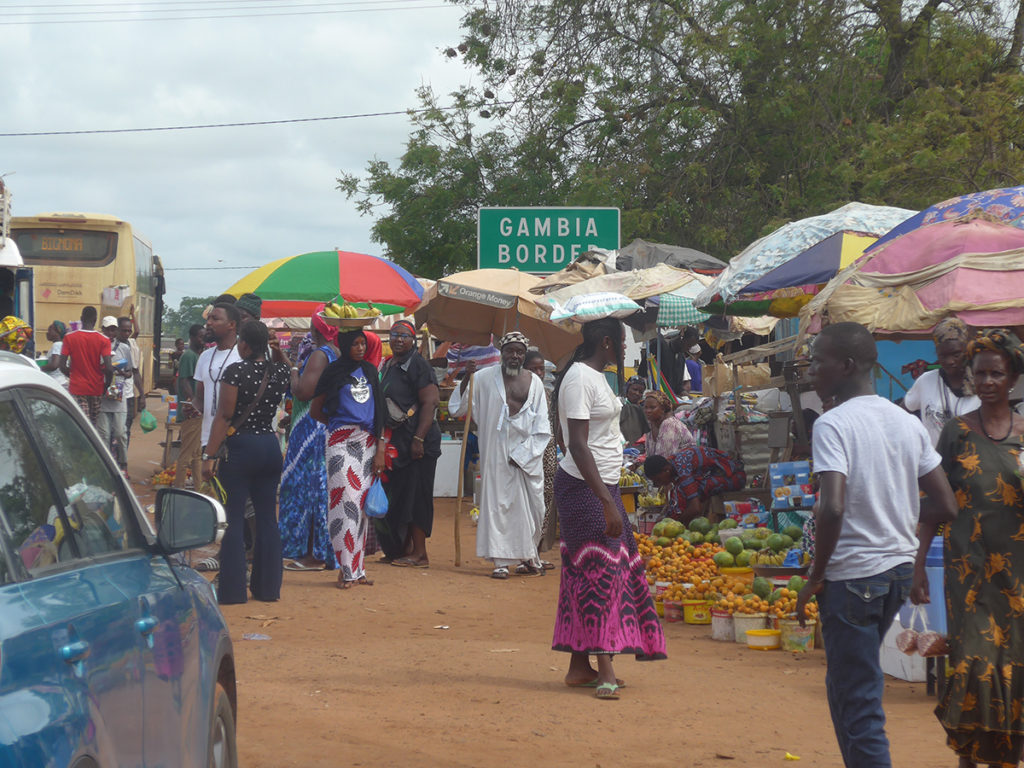
We traveled by Jeep from Dakar, passing through Gambia, back to Pucol in Guinea-Bissau. An adventure that was not very pleasant due to the border crossings, which involve a lot of paperwork and bureaucracy.
The water well had progressed quite a bit; they had the pulleys in place, and all that remains is to install a tap next to the main house so that everyone can have access to running water. It seems the heat does not let them rush.
Additionally, we bought a fridge-freezer with two solar panels.
I visited Alberto again, the director of the school. He was moved to see that the school could finally be rebuilt. The project will consist of:
- Partitioning a room to create two classrooms for children of different ages.
- Rebuilding the water well.
- Fitting out some toilets.
If I could compare the two villages we have assisted: Lumsa in Nepal and Pucol in Guinea-Bissau. While in Lumsa there is plenty of water, making it possible to wash and cook more often and more easily, in Pucol, the lack of water makes personal hygiene and washing clothes difficult. Although I must say that during the ten days I was there, I did not lack water for washing. They provided it for me morning and evening, perhaps not just for washing, but also to cool down from a heat that felt “un-coolable.” In general, everything feels much more taxing.
While in Nepal tourism has been present for many years and has allowed the population, despite the poverty, to have a more advanced economy—evident in their faster organizational style—English is the second language and is spoken by a large number of inhabitants.
In Guinea-Bissau, by contrast, there is a sense of backwardness in both tourism and the economy. The official language is Portuguese, although it is very localized and like a dialect; Wolof, an African language, is also spoken, and French has a strong presence in the capital. In contrast, English is spoken very little.
I base this on the experience of these two short stays in Guinea-Bissau.