2018. Installation of electric generator and Internet
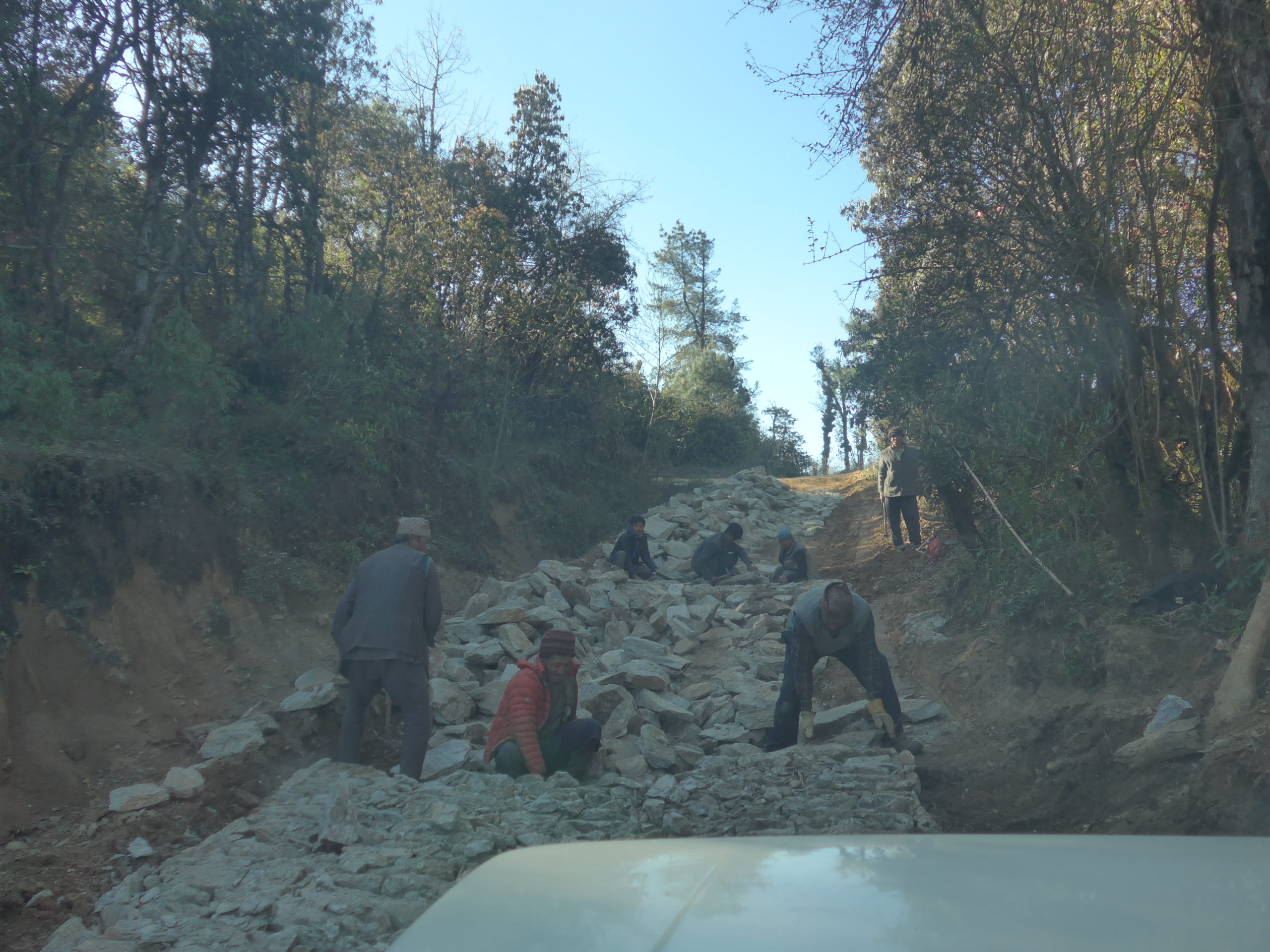
Finally, the road reaches Lumsa. This means that they can begin to transport different items from nearby villages or even from Kathmandu, which is eight hours away by jeep, instead of on foot.
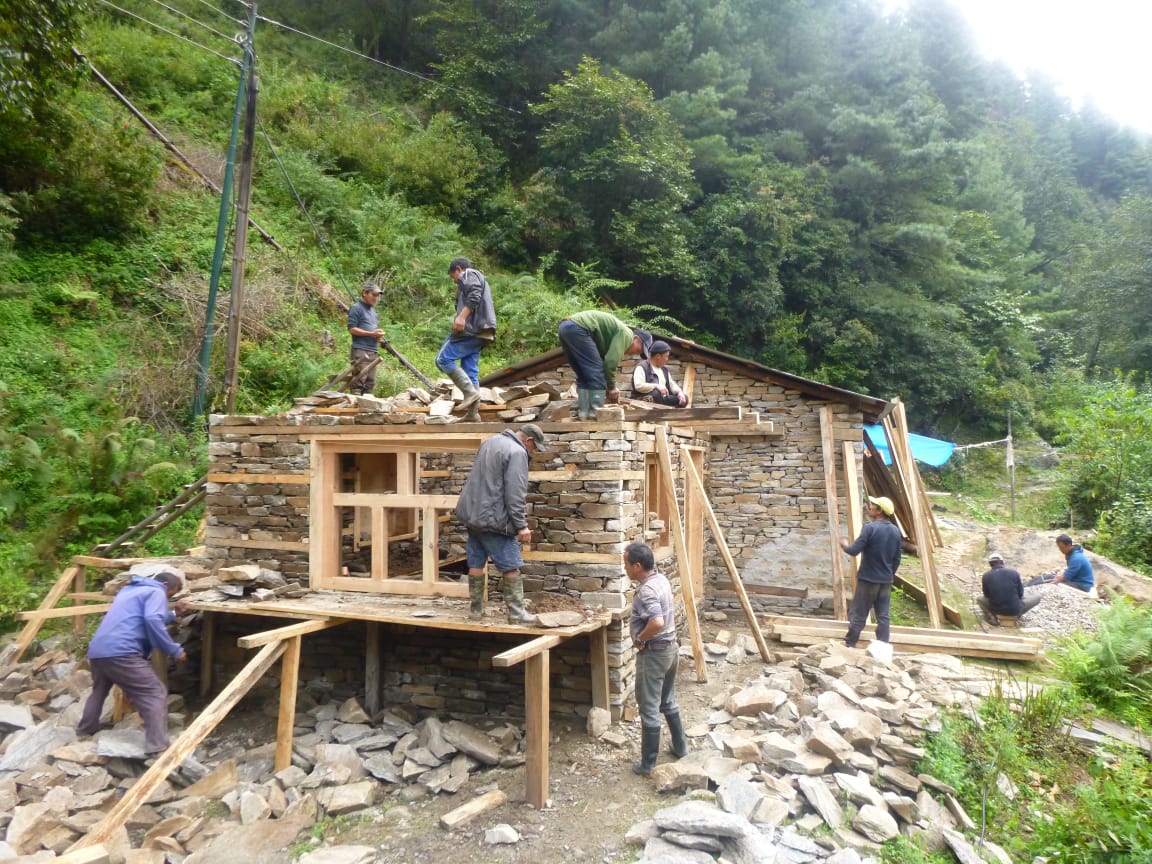
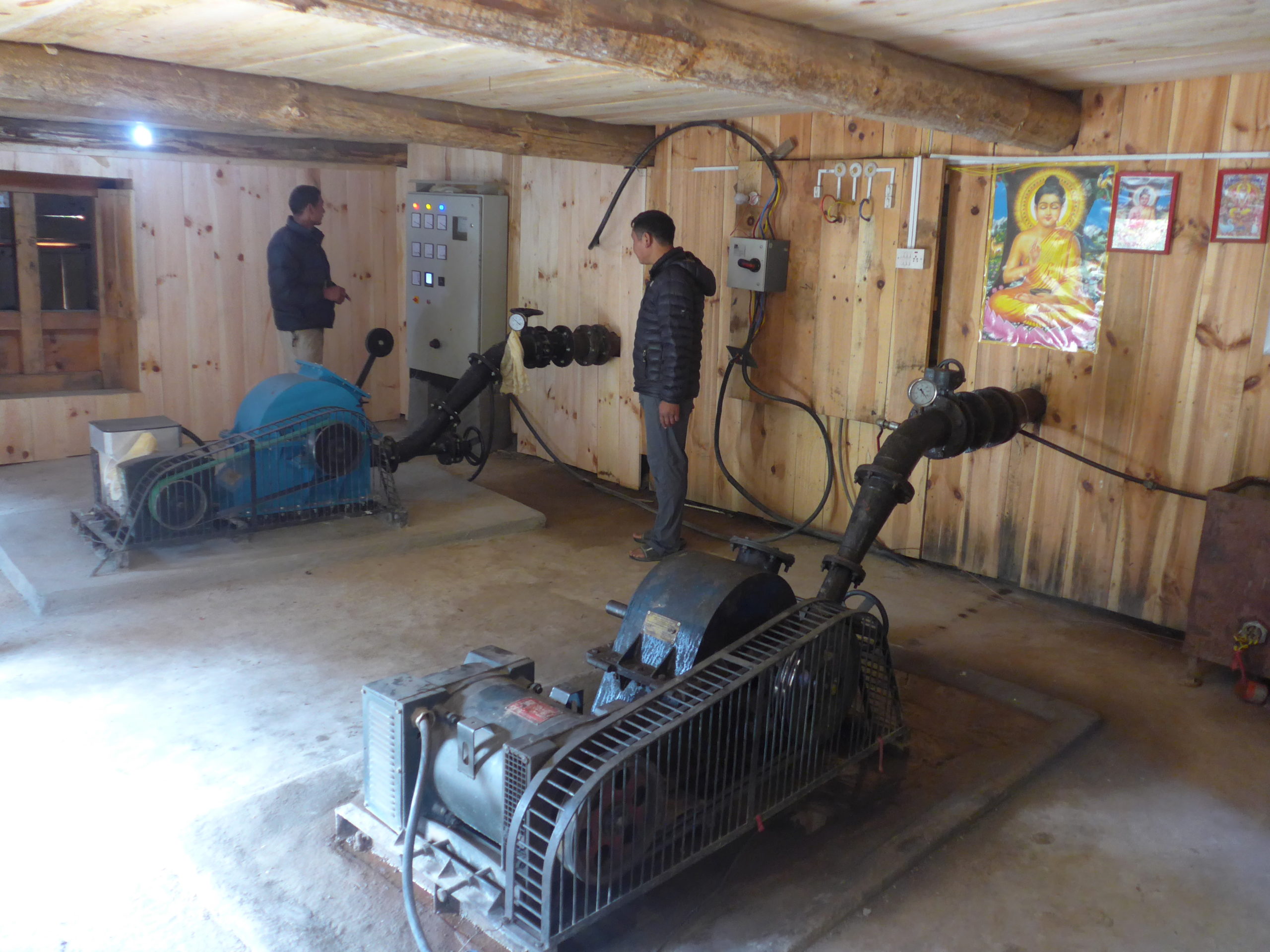
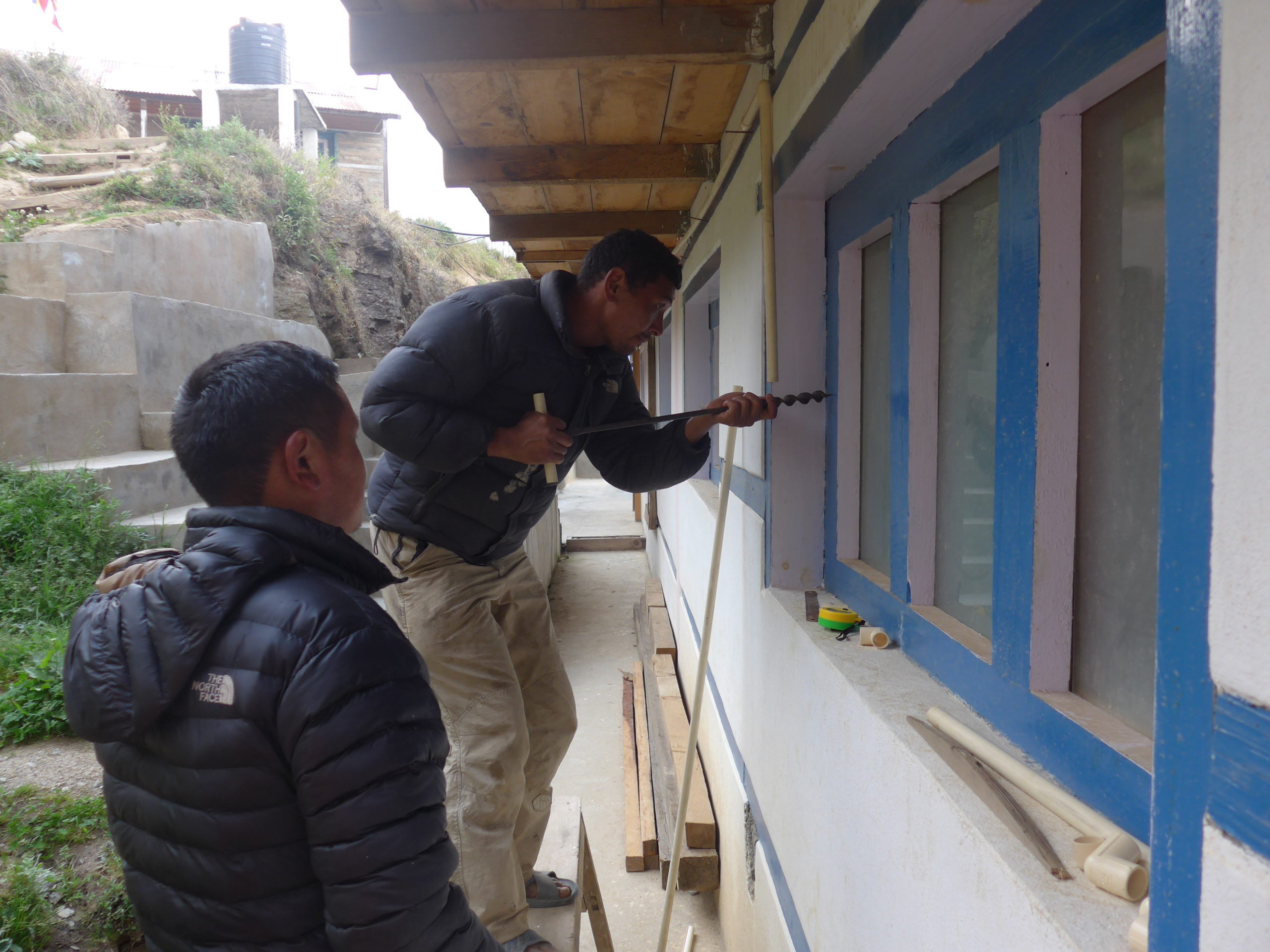
So, they have the opportunity to transport a 20 kW electric generator. Although they needed about twenty men to transport it to the last stretch along the river, which was about 800 m, where a shed was built for the device. Originally, they had an 11 kW one for the entire town which only allowed them one light bulb per house.
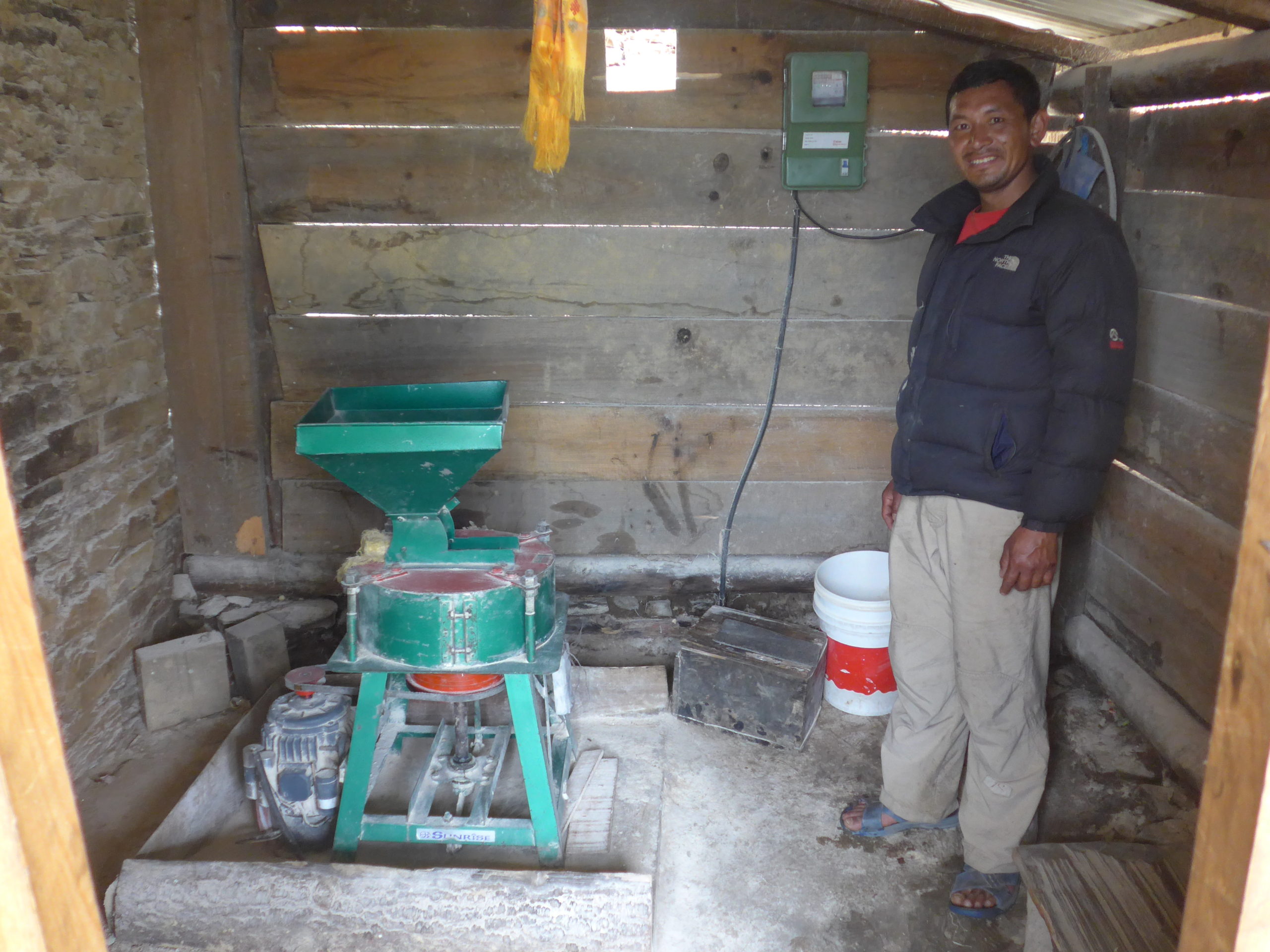
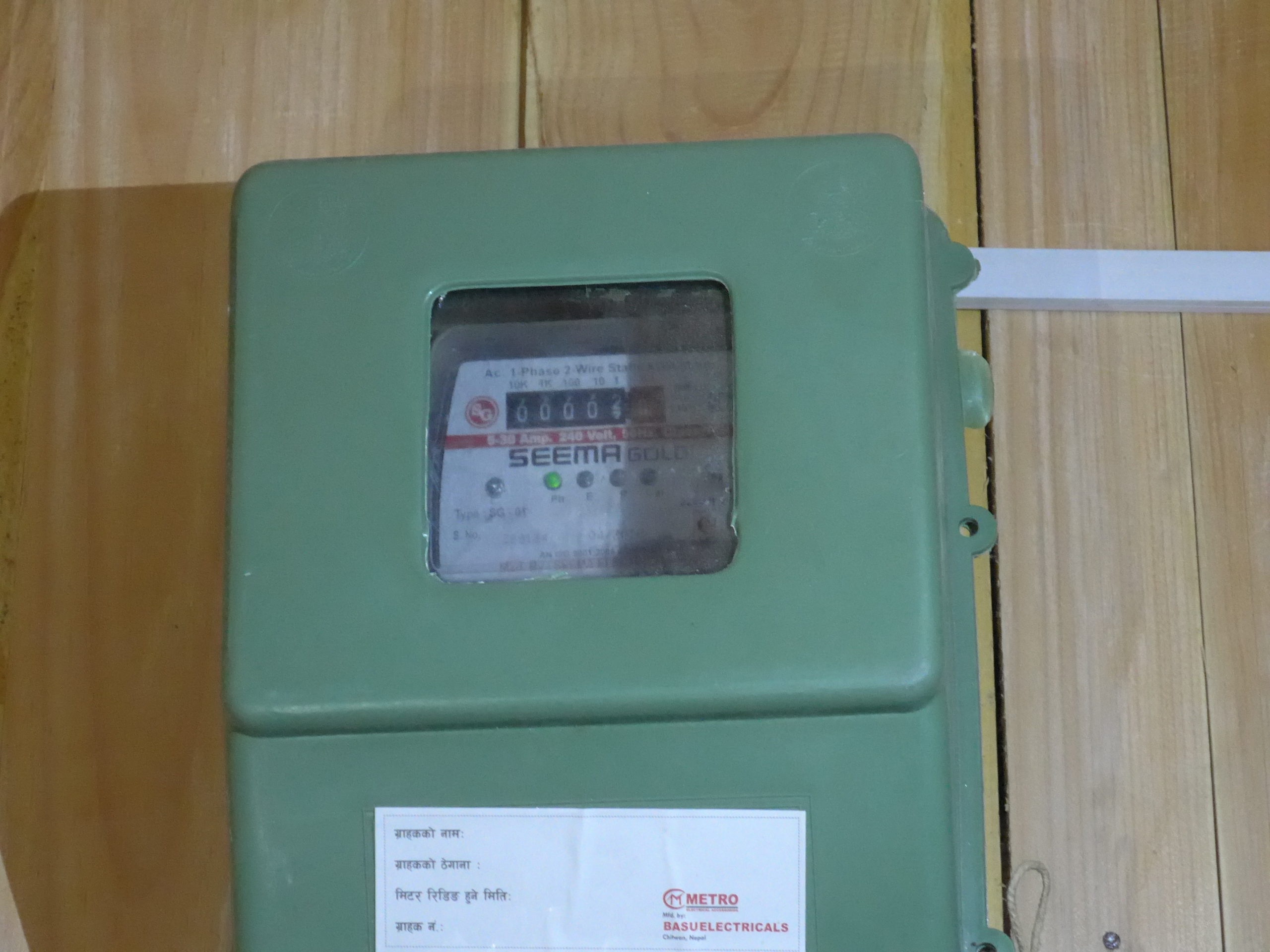
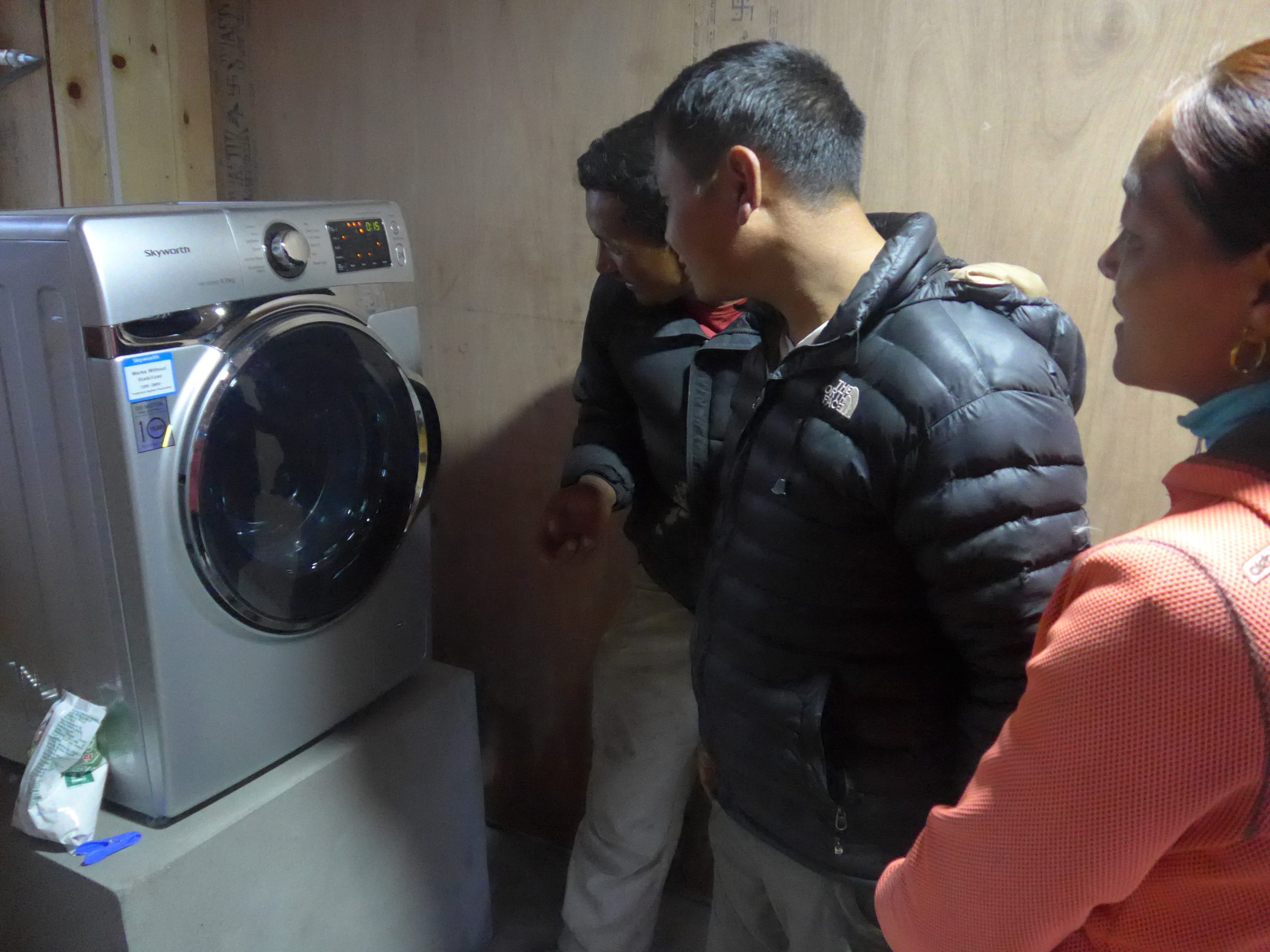
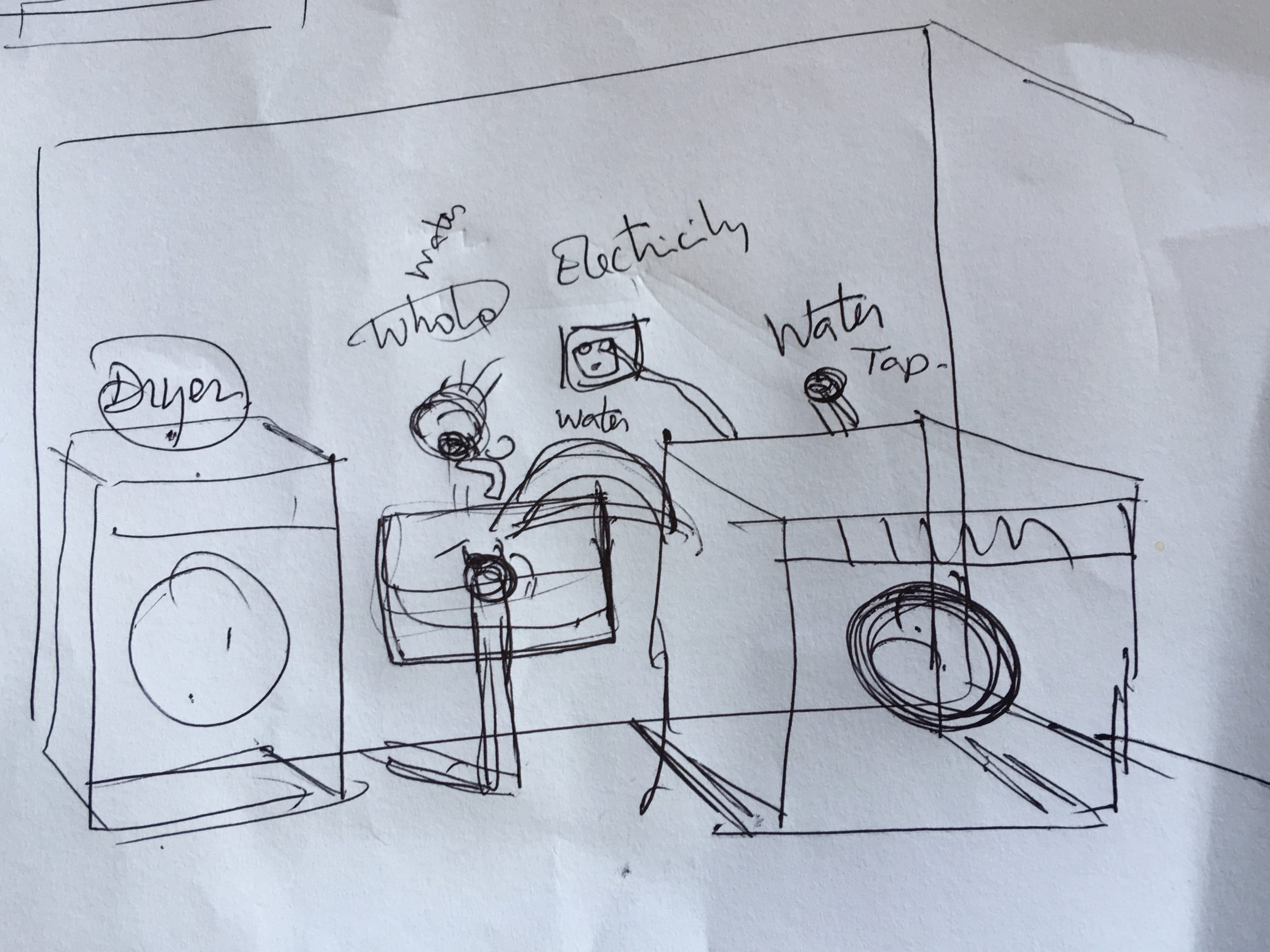
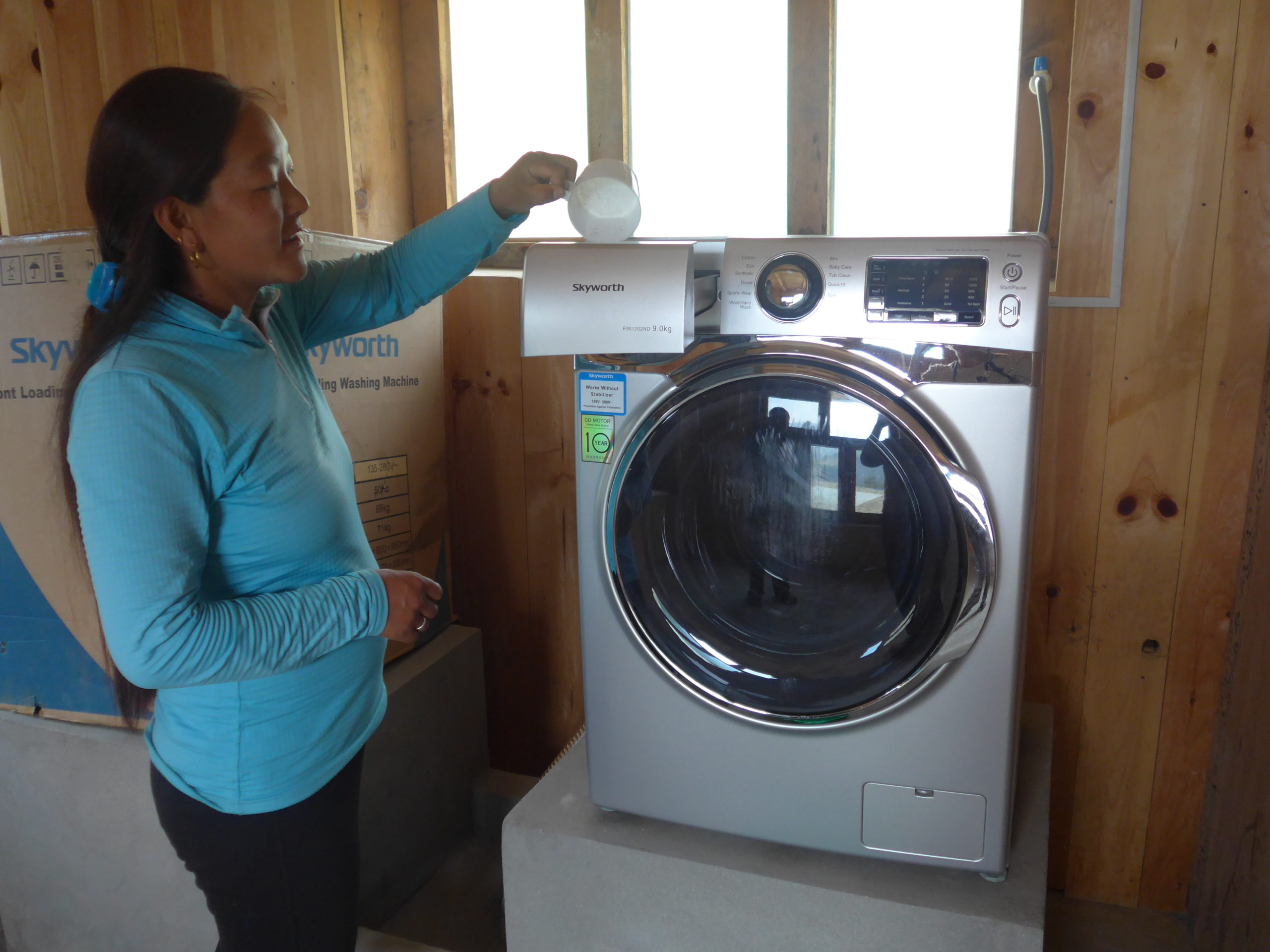
Thanks to the fork in the dunewater pipe channeled from a reservoir in the upper part of the town, they were able to keep the old generator and produce electricity day and night. Along with this project, a kilowatt meter was installed in each home, so that they could start having more comforts, such as a kettle. And for them, the great revolution was the installation of the first washing machine, never seen before.
Each washing machine costs a few rupees, so it could be self-financing in case it breaks down.
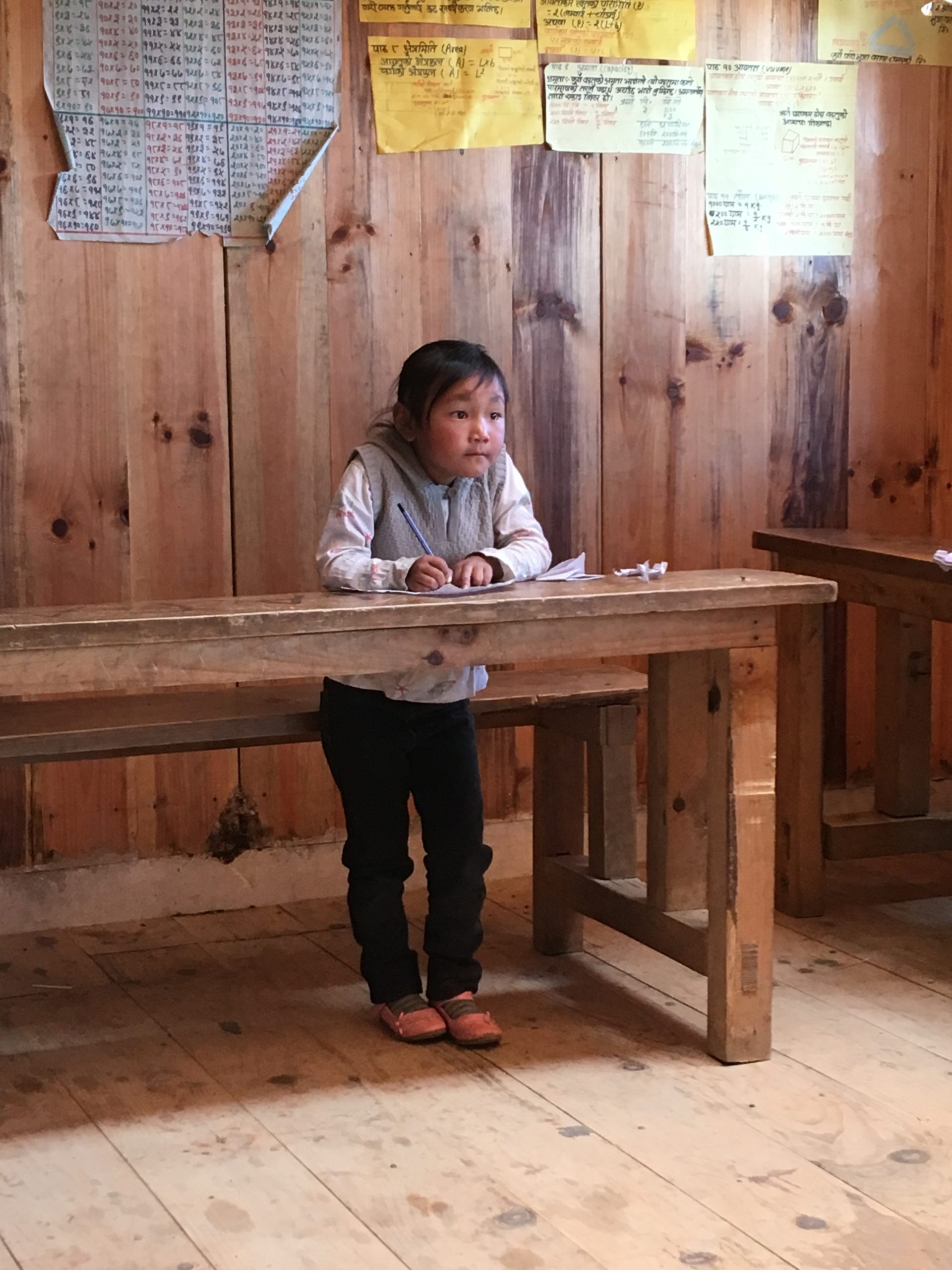
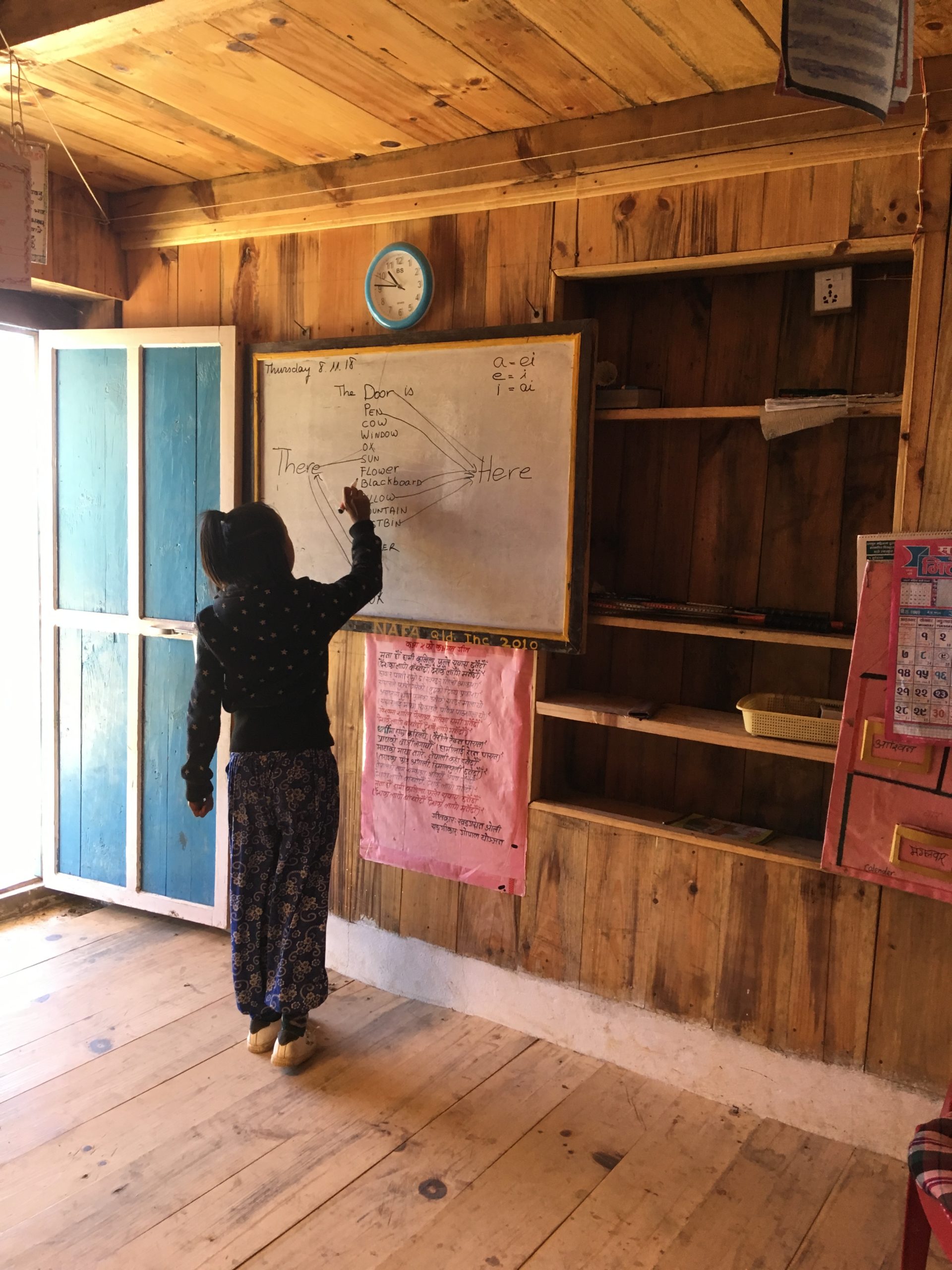
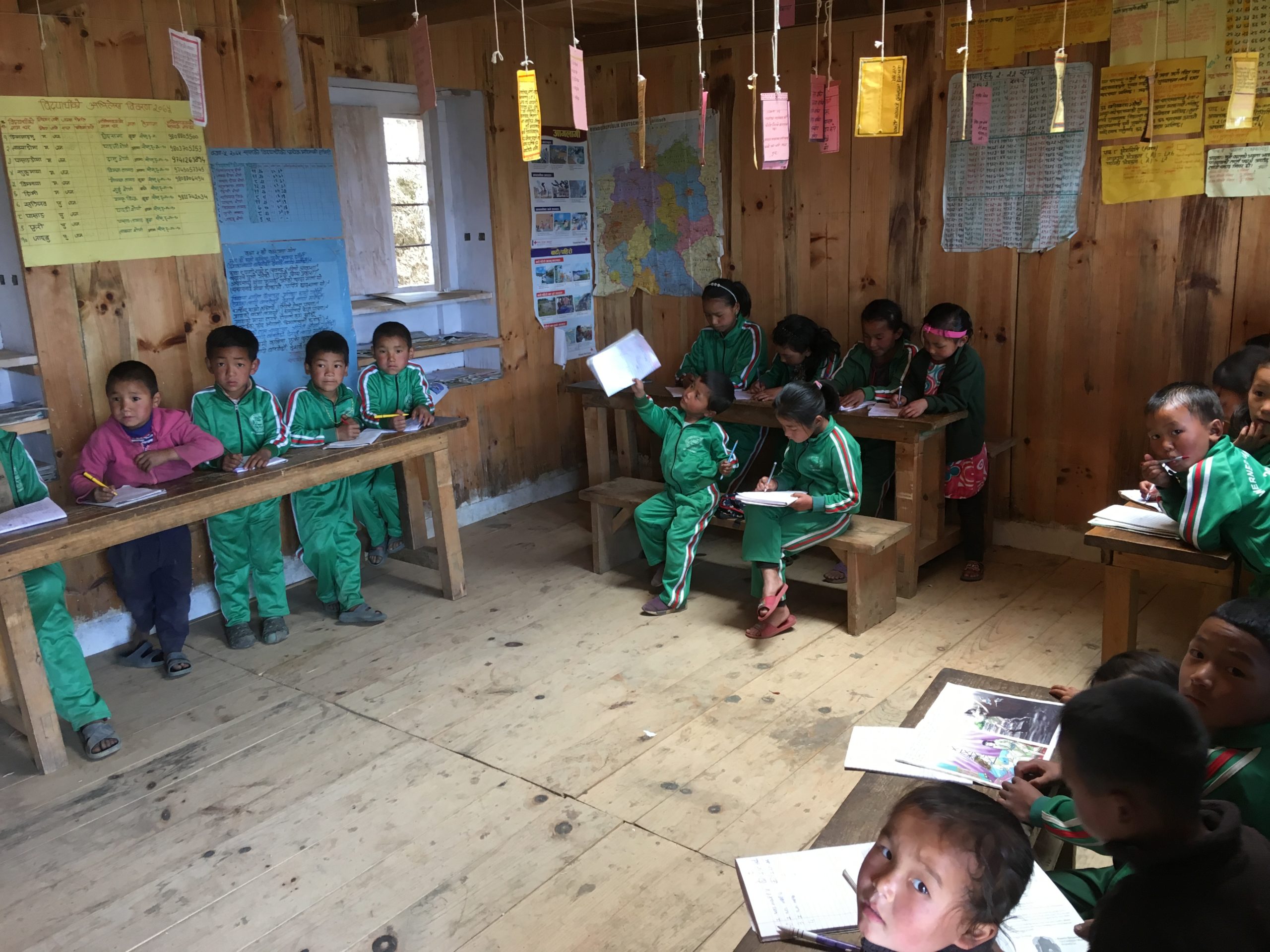
Another objective was education and communication.
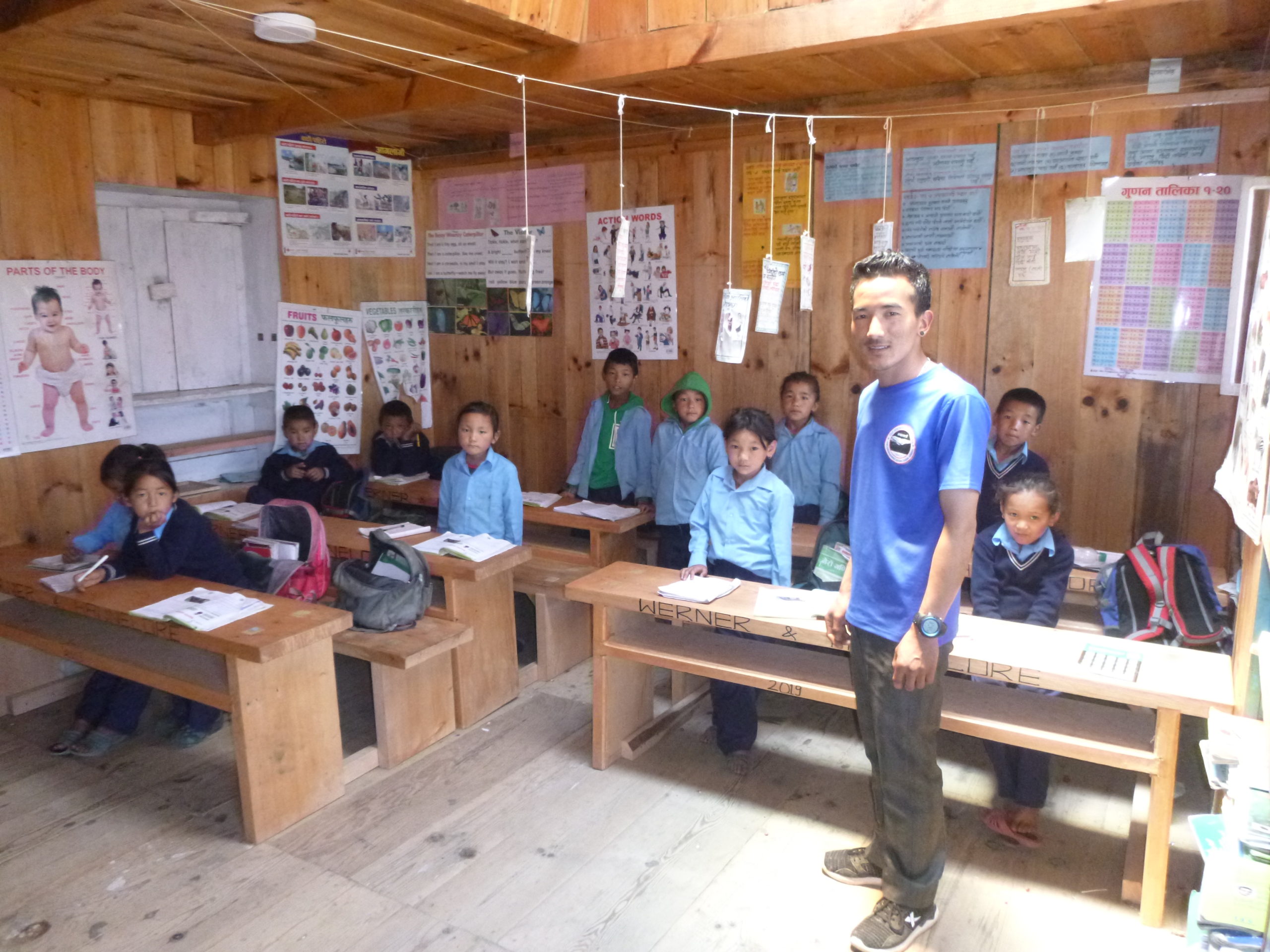
For this reason, a contract was improvised with the master Pemba Sherpa, a 24-year-old boywho studied in Kathmandu and speaks English fluently. He has an annual contract and is paid twice a year.
2018. Installation of electric generator and Internet